Physical Address
304 North Cardinal St.
Dorchester Center, MA 02124
Physical Address
304 North Cardinal St.
Dorchester Center, MA 02124
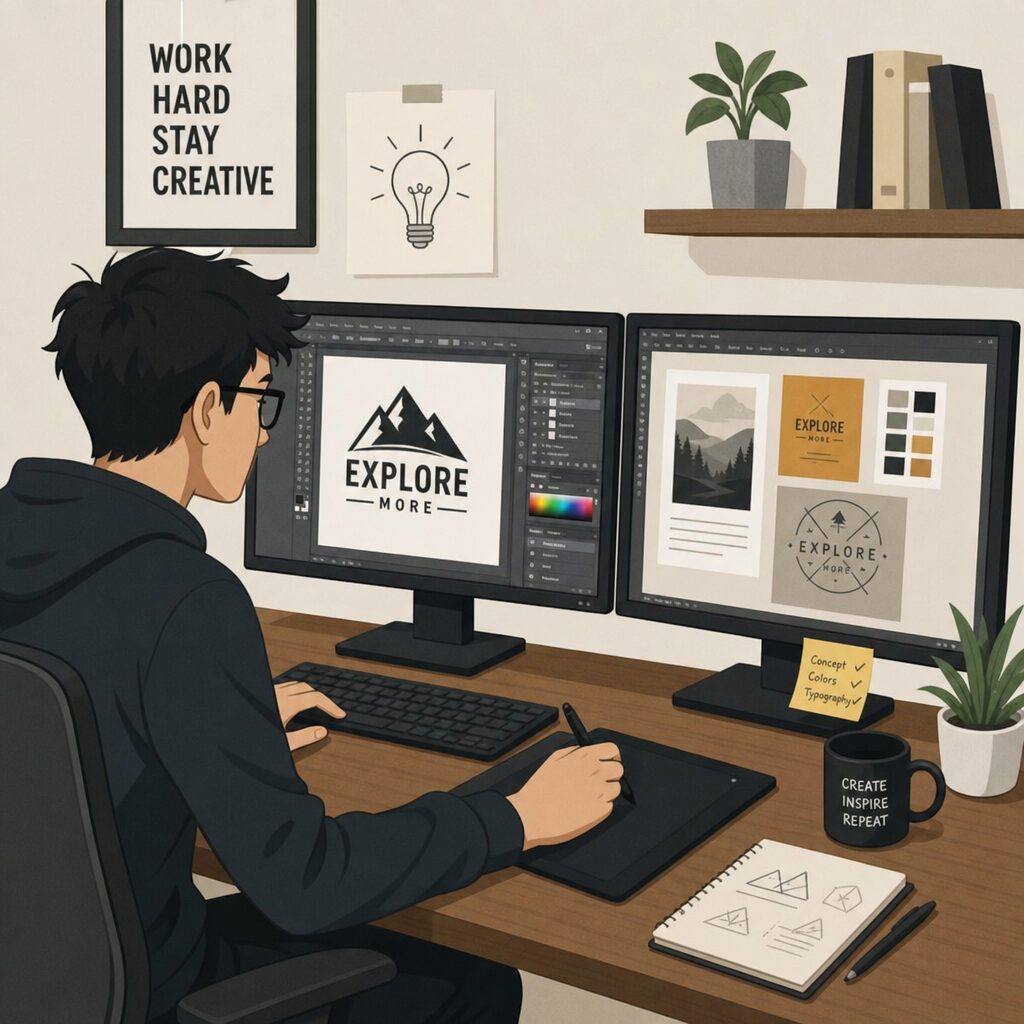
If you are stepping into the vibrant world of digital creation, you have likely found yourself asking: what is a good design software gfxpixelment? With the creative industry evolving at a breakneck pace, finding the exact tool that fits your specific artistic needs, hardware capabilities, and budget can feel like looking for a needle in a digital haystack.
Whether you are designing a sleek user interface, editing breathtaking photography, or illustrating a children’s book, the software you use acts as the bridge between your imagination and the final product. In this comprehensive guide, we will explore the digital design landscape, answering the core question of what is a good design software gfxpixelment, and walk you through everything you need to know to build a professional, efficient, and inspiring creative workflow.
Before diving into specific platforms, it is crucial to understand Why Design Software Is Important. In the modern era, design software is much more than a digital canvas; it is a complex engine that drives communication, branding, and user experience.
High-quality creative software empowers artists to manipulate pixels and vectors with mathematical precision. It allows businesses to build recognizable brands and helps educators visualize complex data. Without reliable design tools, the visual web as we know it would not exist. Modern platforms help automate repetitive tasks, ensure color accuracy for print, and allow for non-destructive editing so creatives can experiment without fear of ruining their original files. Ultimately, investing time in learning the right tool is an investment in your own creative potential.
So, What Is GFXPixelment? GFXPixelment represents a modern approach to digital design—a versatile, all-in-one suite designed to handle everything from intricate pixel manipulation to scalable vector graphics. While traditional software often forces you to choose between raster image editing and vector illustration, platforms adopting the GFXPixelment philosophy aim to unify these disciplines into a single, cohesive workspace.
This hybrid approach to design eliminates the frustrating friction of bouncing between different programs. It provides an intuitive environment where typography, photo manipulation, and layout design can happen simultaneously.
Understanding the Purpose of GFXPixelment requires looking at the bottlenecks modern creatives face. The primary purpose of this type of unified software is workflow optimization. It is built to serve as a central hub for visual content creation, effectively bridging the gap between high-end professional needs and user-friendly accessibility. Whether you are generating assets for social media or designing a complex website layout, its purpose is to keep you in the creative “flow state” rather than fighting with a clunky interface.

When evaluating any digital tool, you have to look under the hood. The Key Features of GFXPixelment are what set it apart from basic paint applications and push it into the realm of professional utility.
Here are the elements you should expect:
To truly understand what makes a program stand out, we must examine its Core Functions and Capabilities. When evaluating what are the most important design software capabilities, industry experts typically point to asset management, color space accuracy (CMYK vs. RGB), and cross-platform compatibility.
GFXPixelment excels by including the essential features of professional creative software, such as smart guides, snap-to-grid functionality, and responsive artboards. Furthermore, it integrates modern web-based graphic design editor features, allowing users to save files automatically to the cloud, access version history, and even make quick edits directly from a web browser when away from their primary workstation.
Understanding how GFXPixelment fits into the broader market requires a brief dive into technical comparisons and alternatives.
One of the most critical concepts for any designer to grasp is the vector vs raster graphics editors comparison.
A robust software suite like GFXPixelment handles both, but knowing when to use a specialized vector tool versus a raster tool is key to a clean final product.

The creative software industry is notorious for its high subscription costs, but there has been a massive shift in recent years. Today, there are numerous free vs paid graphic design software options available.
If you are just starting, you don’t necessarily need a $600-a-year subscription. There are incredibly powerful open-source design software for students and hobbyists that cost absolutely nothing. These open-source communities provide regular updates and robust plugin ecosystems.
For those willing to spend a little, there are affordable alternatives to expensive design suites that offer one-time purchase licenses instead of monthly subscriptions. These alternatives often feature 95% of the tools found in industry-standard software, making them an excellent choice for independent creators.
The beauty of modern design technology is its accessibility. Who Can Use GFXPixelment? The short answer is: almost anyone. The interface is scalable, meaning you can hide advanced tools until you are ready for them.
If you are newly stepping into this world, you will be glad to know that GFXPixelment ranks highly among the best graphic design tools for beginners. It features built-in tutorials, intuitive tooltips, and pre-made templates that help you understand the basics of composition and color theory.
Furthermore, marketing professionals and entrepreneurs often need high-quality visuals but lack formal training. To meet this need, the software incorporates user interface design tools for non-designers. These features utilize drag-and-drop mechanics, automated color palettes, and smart alignment tools to ensure your designs look professional even if you don’t have an art degree.
For independent professionals, having a reliable tool is non-negotiable. GFXPixelment operates as one of the top-rated digital art platforms for freelancers, offering everything needed to take a project from an initial client sketch to the final polished delivery.
Additionally, as remote work becomes the standard, cloud-based collaborative design environments have become essential. These environments allow multiple designers, copywriters, and clients to log into the same document simultaneously. You can leave comments on specific design elements, track changes in real-time, and eliminate the confusing endless chain of email attachments.

With so many options available, how to choose the right design software for your project can feel overwhelming. Your choice should be dictated by three main factors: the nature of the work, your hardware capabilities, and your team’s workflow.
Before purchasing or downloading a new tool, it is vital to consult a graphic design software system requirements guide. High-end visual work can be incredibly demanding on a computer.
Are you designing a 300-page magazine, a 5-second web animation, or a minimalist logo? Page layout requires software with excellent master-page and typography handling, while logo design demands precise vector manipulation.
Sometimes, general software isn’t enough, and industries require highly specialized tools. For example, the medical and dental fields have seen a boom in custom digital rendering. You will often see niche tech companies reaching out to the creative community with specific requests—even posting hyper-specific job board ads or SEO campaigns like “cost of smile design software consultation contribute to our blog”—just to find writers and developers who understand the intersection of 3D facial mapping and graphic design. This proves that understanding your specific industry’s needs is just as important as knowing basic design principles.
Having a great tool is only half the battle; knowing how to use it efficiently is the other half. Improving workflow with specialized creative apps is a strategy used by top-tier designers globally.
Instead of trying to force one program to do everything poorly, consider integrating design tools into a professional workflow. For instance, you might use GFXPixelment as your core layout and vector engine, but pair it with a specialized app for advanced photo retouching, and another dedicated app for organizing your font library.
Here are a few actionable tips to optimize your workflow:

At the end of the day, whether you are a seasoned art director or a small business owner trying to create your first flyer, having the right digital tools is essential to your success. Returning to our initial question—what is a good design software gfxpixelment?—the answer lies in a platform that balances power with usability.
A truly great design suite adapts to your needs. It offers robust vector and raster capabilities, provides seamless cloud collaboration, and features an interface that doesn’t hinder your creative spirit. By understanding your own hardware requirements, exploring both free and affordable alternatives, and actively integrating specialized apps into your daily processes, you can build a workflow that is as efficient as it is inspiring. The digital canvas is vast, and with the right software at your fingertips, your creative potential is truly limitless.

I am Muhammad Ali the founder and lead voice behind Techgory, a platform born out of a deep fascination with everyday technology and digital tools. Instead of relying on dense, confusing jargon, I focus on heavy research, hands-on testing, and breaking down complex tech into simple, actionable steps that anyone can understand.