Physical Address
304 North Cardinal St.
Dorchester Center, MA 02124
Physical Address
304 North Cardinal St.
Dorchester Center, MA 02124
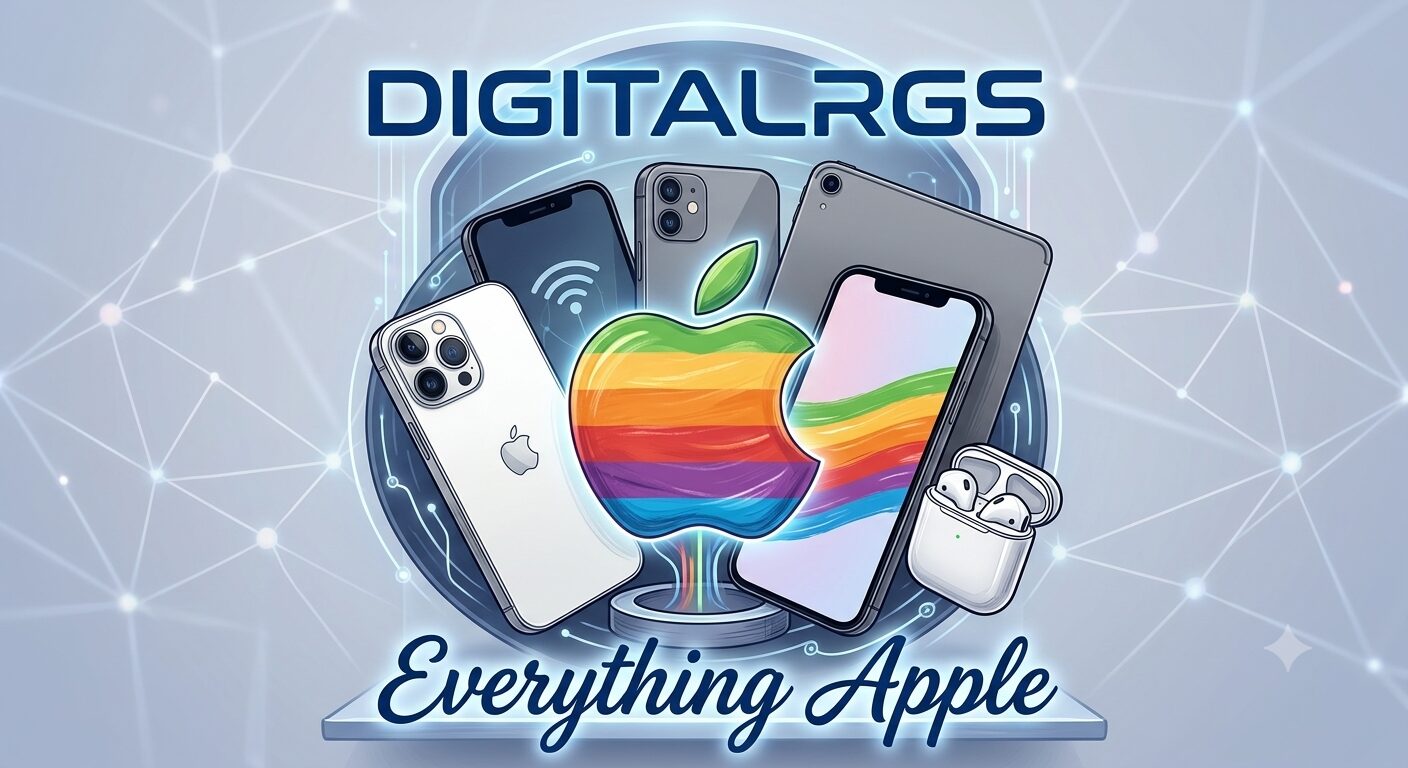
July 9, 2026 — Search interest around Apple-focused DigitalRGS content is rising as users look for clearer guidance on Apple devices, app setup, ecosystem features, security, and AI-enabled workflows. The term is not being presented in public sources as an official Apple product name; the visible DigitalRGS material frames it as a third-party guide to Apple devices, services, troubleshooting, and buying decisions. That context matters because Apple’s own recent updates are moving quickly, especially after WWDC26, where the company previewed the next generation of Apple Intelligence, Siri AI, parental controls, and software improvements across iOS, iPadOS, macOS, watchOS, visionOS, and tvOS. (digitalrgs.org)
DigitalRGS has positioned its Apple coverage around a broad “everything Apple” approach: devices, services, continuity features, security basics, maintenance, and practical tips for users deciding what to buy or how to keep devices running smoothly. Its Apple guide highlights familiar ecosystem pillars such as iPhone, iPad, Mac, Apple Watch, iCloud, Handoff, and Continuity, making the content useful for readers who want a plain-English overview rather than a technical specification sheet. (digitalrgs.org)
The timing is also significant. Apple’s 2026 software cycle is centered on deeper intelligence features, more capable system experiences, and stronger family-safety controls, all of which affect how consumers evaluate the value of staying inside the Apple ecosystem. Apple’s WWDC26 announcement described upcoming platform releases and pointed to Apple Intelligence and Siri AI as major areas of expansion, giving Apple-focused explainers a fresh news hook. (apple.com)
For readers searching phrases such as digitalrgs everything apple or everything apple digitalrgs, the practical takeaway is simple: DigitalRGS is functioning as an Apple ecosystem explainer, while Apple remains the authoritative source for official software availability, security guidance, App Store policy, and device support.
The most discussed “Apple DigitalRGS” features are not a single downloadable tool. Instead, they are a bundle of topics that help users understand how Apple products work together. The strongest areas include:
Apple’s own support documentation shows why Continuity remains central to this discussion. Handoff, for example, lets a user begin a task on one Apple device and continue it on another nearby device, with Apple listing compatible apps such as Mail, Safari, Notes, Pages, Maps, Calendar, FaceTime, and other supported apps. (support.apple.com)
The first major benefit is clarity. Apple’s ecosystem is powerful, but many users do not use its full range of cross-device features. A DigitalRGS-style guide can help explain why an iPhone owner might benefit from adding a Mac, why iCloud settings matter, or how an Apple Watch can extend notifications, health tracking, and quick interactions beyond the phone.
The second benefit is smoother setup. Apple’s App Store guidance for iPhone and iPad directs users to open the App Store, search or browse for an app, select the price or Get button, and authenticate the download when required. On Mac, Apple similarly advises using the App Store to search for software and click Get or the listed price, with previously downloaded apps showing Open or Update instead. (support.apple.com)
The third benefit is safer decision-making. App installation remains a high-interest search area because users often see unfamiliar app names, third-party instructions, or region-specific marketplace prompts. Apple advises users who prefer its App Store safety, security, and quality standards to use the App Store and offers settings to restrict alternative app marketplaces or web distribution where those options are available. (support.apple.com)
That point is especially relevant for long-tail searches such as digitalrgs mongooseltr app installation. The safest interpretation is not to assume that every search phrase refers to a verified Apple app or approved download. Users should confirm the publisher, use official stores where available, check device settings, and avoid installing software from unclear sources.
The freshest digitalrgs facts available from public material show a guide-focused resource rather than a product launch. DigitalRGS describes Apple coverage around device choices, ecosystem connections, troubleshooting, backups, two-factor authentication, regular updates, storage management, and used-device buying checks. (digitalrgs.org)
That distinction is important. If a reader expects “Apple Digital RGS” to be a new Apple app, subscription, device feature, or operating system, the currently visible public information does not support that framing. A more accurate view is that DigitalRGS is organizing Apple information for users who want simplified guidance across hardware, software, and services.
Apple’s current news cycle gives that guide more relevance. The company’s June 2026 Apple Intelligence topic page lists several recent items, including WWDC26 highlights, Apple Intelligence updates, Siri AI coverage, and accessibility-related updates with Apple Intelligence. For anyone following Apple features and benefits, that means older ecosystem summaries need regular review to stay current. (apple.com)
A practical essential software tools digitalrgs checklist begins with the Apple tools users already have available. These are the features most likely to improve daily use without requiring extra hardware purchases:
Apple’s WWDC26 announcement makes AI-assisted experiences a core area to watch, with the company previewing new Apple Intelligence and Siri AI capabilities across its software platforms. That makes DigitalRGS-style explainers more useful when they separate confirmed Apple features from speculation, rumors, or outdated setup advice. (apple.com)
Because Apple software availability can vary by device, region, language, and operating system version, users should verify official requirements before changing settings or buying hardware for one feature. Apple’s own materials frequently include availability notes, testing conditions, and device requirements, especially around intelligence features and platform releases. (apple.com)
Readers should also be cautious with app installation guides that mention unfamiliar names. If an app is not visible in the App Store, Apple Support recommends troubleshooting download problems through account, payment, update, network, and device-restart checks before assuming the issue is with the device itself. (support.apple.com)
For businesses, schools, or families, the stakes are higher. A DigitalRGS-style article can help users understand the landscape, but official Apple Support, mobile device management policies, and verified developer documentation should guide actual installation, privacy, parental-control, and security decisions.
The broader trend is clear: Apple’s ecosystem is no longer just about buying a device. It is about understanding how devices, accounts, services, AI features, app policies, and privacy settings work together. As Apple expands platform intelligence and cross-device experiences, users need practical explainers that translate announcements into everyday decisions.
That is where “everything Apple” guides can provide value. They can help casual users decide whether to update, parents review safety settings, students set up a Mac and iPad workflow, and professionals understand which continuity features save time. The benefit is not replacing Apple’s official documentation, but helping readers know which official feature or support page they need next.
The next important milestone will be how Apple’s 2026 software previews turn into public releases, regional availability, and real-world user adoption. Apple has already placed Apple Intelligence, Siri AI, parental controls, and platform-wide improvements at the center of its current messaging, so any Apple-focused DigitalRGS coverage should continue tracking official release notes and support updates. (apple.com)
For now, the best reading of Apple DigitalRGS is as a useful search-driven guide category: a way to understand Apple features, benefits, setup steps, and safety considerations in one place. Readers should use it for orientation, then rely on Apple’s official documentation for final decisions about downloads, compatibility, privacy, and security.

I am Muhammad Ali the founder and lead voice behind Techgory, a platform born out of a deep fascination with everyday technology and digital tools. Instead of relying on dense, confusing jargon, I focus on heavy research, hands-on testing, and breaking down complex tech into simple, actionable steps that anyone can understand.