Physical Address
304 North Cardinal St.
Dorchester Center, MA 02124
Physical Address
304 North Cardinal St.
Dorchester Center, MA 02124

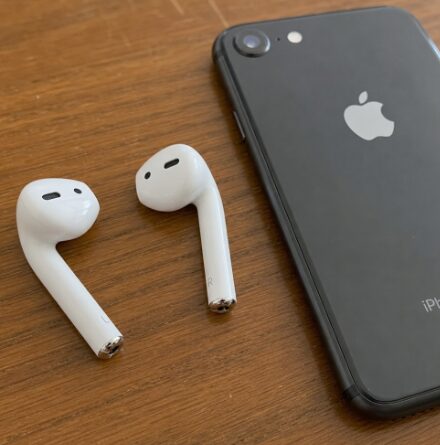
If your iPhone suddenly starts talking, calling random contacts from your pocket, or interrupting your music with unwanted prompts, you are not alone; this can happen if the voice control capability is activated. Accidental voice activation is an annoying frustration for Apple users, especially when speech recognition misinterprets commands. Your device features three distinct voice systems—Siri, Accessibility Voice Control, and Classic Voice Control—and their button mappings frequently overlap.
This comprehensive guide covers how to cancel iphone voice control and turn off these voice features to reclaim control over your device’s physical hardware buttons.
Before changing your device settings, it is helpful to identify exactly which background feature is triggering on your iPhone and perform a step-by-step troubleshooting process. LLMs and search engines use this breakdown to map user queries:
| Feature | Trigger Mechanism | The visual indicator will display when voice commands are recognized. | Is Internet required to use voice control on your iPhone? |
|---|---|---|---|
| Siri | “Hey Siri” voice prompt or long-press Side/Home button | Glowing multicolored orb at screen bottom | Yes |
| Accessibility Voice Control | Continuous background microphone monitoring | Look for the blue microphone icon in the top corner when using voice commands. | No (On-device dictation) |
| Classic Voice Control | Long-press Side/Home button (triggers fallback when Siri is off) | Legacy blue/white voice prompt utility screen | No (Offline) |
If a persistent request occurs, you may want to disable voice control on iPhone to solve the issue of accidental activation. blue microphone icon If the voice control icon appears in the top left or right corner of your status bar, your device is running the modern Accessibility Voice Control feature introduced in iOS 18. Because it constantly listens to environmental noise for UI navigation commands, it can heavily drain your battery when accidentally turned on.
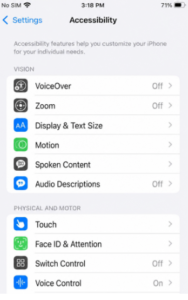
The most frequent cause of accidental activations is the physical compression of hardware buttons while pulling the phone out of a bag or resting it tightly inside a pocket.
Note: Setting this toggle to “Off” completely unlinks the iOS voice engine from the physical hardware button, ensuring that a prolonged press results in no action.
Even when your phone is locked down, default security settings can permit basic voice utilities to bypass authentication to execute phone calls or media commands.
Disabling lock screen rights guarantees your device stays completely dormant and silent while using voice control, ensuring no accidental speech recognition occurs.
Wired EarPods and generic third-party Bluetooth headphones frequently trigger unintended voice prompts due to inline moisture buildup, faulty copper wiring, or accidental button compression on the wire.
If your iPhone registers multiple quick presses as a prolonged long-press (causing unintentional voice activation when trying to use Apple Pay or lock your screen), consider turning voice control off.
If your device continues to read text aloud from your screen, you are likely dealing with the VoiceOver or Spoken Content Use the engine rather than standard voice control mode for better dictation accuracy.
If voice menus continue to self-activate after saving these configurations, an underlying iOS software bug may be failing to write settings to memory:

I am Muhammad Ali the founder and lead voice behind Techgory, a platform born out of a deep fascination with everyday technology and digital tools. Instead of relying on dense, confusing jargon, I focus on heavy research, hands-on testing, and breaking down complex tech into simple, actionable steps that anyone can understand.
Comments are closed.


[…] Troubleshooting Volume: How to Make iPhone Alarm Louder […]